Cultural Journal
Day of the Dead in Mexico City: Where to Go and What to See
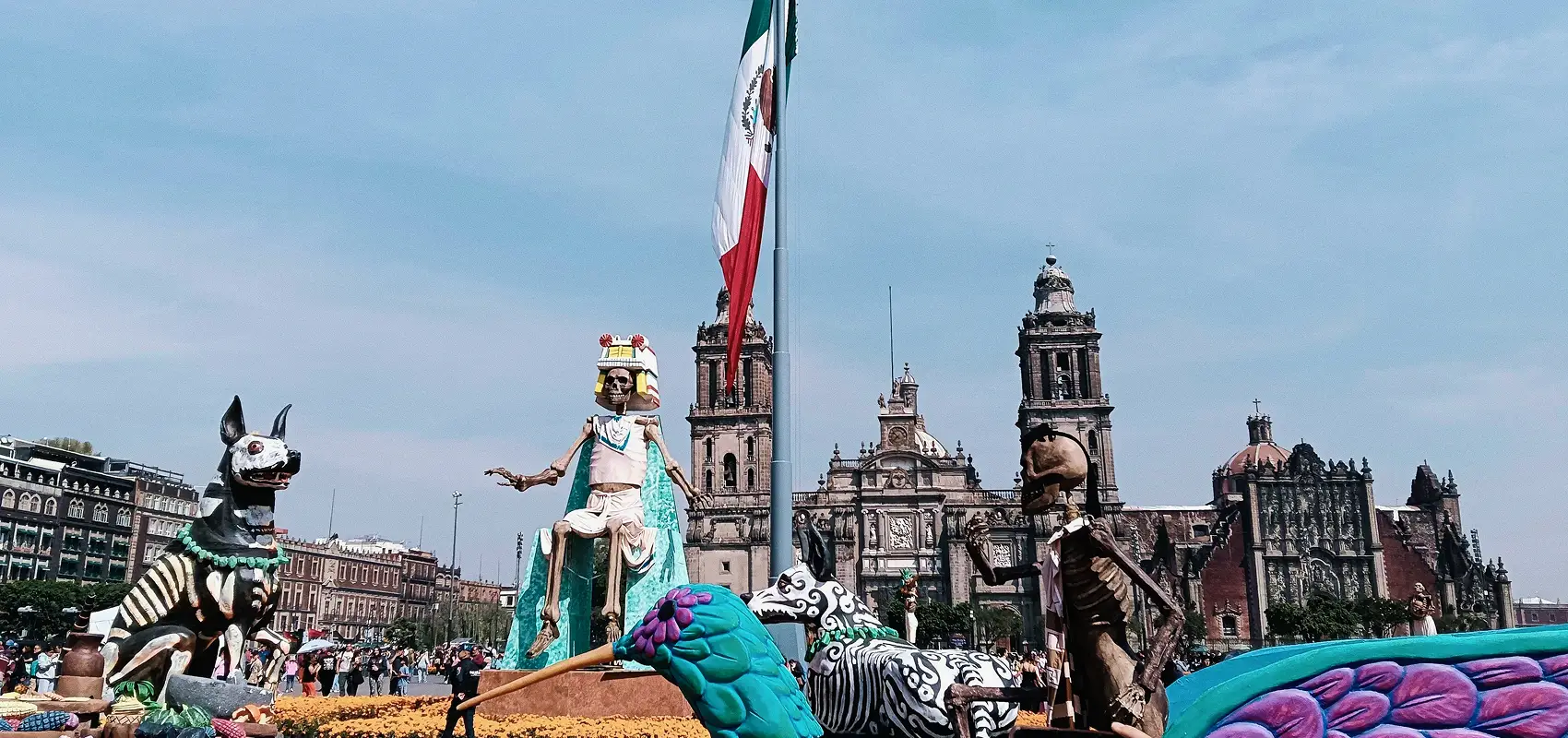
Day of the Dead in Mexico City does not happen in one place. It spreads across the Zócalo, Reforma, the candlelit cemetery of Mixquic, the canals of Xochimilco and a lot of living rooms. Almost everything in public is free. The calendar is what takes planning.
What the Days Are About
The holiday remembers the dead with food, flowers and music. UNESCO put it on its list of intangible cultural heritage in 2008, under the name "Indigenous festivity dedicated to the dead". The season arrives as the year's maize cycle closes.
Families build an ofrenda: an altar with photographs, candles, cempasúchil (marigold) petals, the dishes the person liked and a plate of pan de muerto, the sweet bread of the season. The petals and the candles light the way home. In Nahuatl poems, the cempasúchil stands for the suns that come down to earth to light the dead.
Look for the photographs first. Everything else on the altar is there for the person in them.
The days run from October 31 to November 2. Mixquic gives each date its own ritual. October 31 welcomes the children. November 1 is La Gran Reunión, for the adults. November 2 is La Alumbrada, when the cemetery fills with thousands of candles.
Where to Go in 2026
The Zócalo
From Thursday, October 29 to Monday, November 2, the Zócalo holds the Ofrenda Monumental, the city's public altar. This year it honors the Catrina. She stands 32 meters tall, in cartonería (papier-mâché). Sawdust carpets and cempasúchil flowers complete the installation. It is outdoors and it never closes. Entry costs nothing. After dark, hundreds of colored lights cover the facades of the government buildings around the square.
The Catrina is José Guadalupe Posada's elegant skeleton. The engraver drew her more than a century ago as a jab at the rich. Today she is the most recognizable symbol of the holiday.
Paseo de la Reforma
Reforma carries the season for weeks. From October 18 to November 1 it hosts the Cempasúchil Flower Festival, an expo-sale with 140 flower growers. Several come from Xochimilco and Tláhuac. From October 23 to November 8, light installations of catrinas, altars and xoloitzcuintles (hairless Mexican dogs) fill the stretch between the Ángel de la Independencia and the Puerta de los Leones. The giant alebrijes, the painted papier-mâché creatures from the October 17 parade, stay on display along the avenue until November 9.
Two dates matter more than the rest. On Sunday, October 25, the Catrina procession, the Mega Procesión de las Catrinas, walks from the Ángel de la Independencia to the Zócalo. On Saturday, October 31, the Day of the Dead Parade, the Gran Desfile de Día de Muertos, follows Reforma and Juárez to the same square. It brings floats, dance and giant catrinas. Both are open to anyone. Expect crowds. Plan to walk.
Chapultepec
The park has its own festival, from October 29 to November 4. It runs in the first section, along the Paseo de los Compositores and around the Lago Mayor. It is free. Indoors, there is the National Museum of Anthropology, 450 meters from Orchid House Mexico City. Our guide to the city's museums covers it and the rest.
Mixquic
San Andrés Mixquic, in the Tláhuac borough in the southeast of the city, is where families spend the night in the cemetery. From October 31 to November 2 the graves are covered in flowers and candles. The program includes processions, concerts and altars, all free. Go in the evening. Bring patience.
It is a family space, not a stage. Keep your voice down. Stay clear of the people at their graves. Ask before you photograph anyone.
Xochimilco
Xochimilco runs at night. The trajineras, the painted flat boats, glide past altars set up on the chinampas, the artificial islands of the old lake. It sits far from Polanco. Plan it as its own outing.
In the lake area the season has a flavor of its own: romeritos, a leafy green cooked in mole, and calabaza en tacha, candied pumpkin.
Neighborhood Ofrendas
The city also sets up twelve community ofrendas between October 29 and November 2, among them the Plaza de las Tres Culturas in Tlatelolco and the open plazas outside the Coyoacán and Tlalpan borough offices. They cost nothing.
Day by Day, October 29 to November 2
- Thursday, October 29: the Zócalo ofrenda opens, along with the Chapultepec festival and the community ofrendas.
- Saturday, October 31: the parade goes down Reforma to the Zócalo, and Mixquic begins with the welcome for the children.
- Sunday, November 1: Mixquic holds La Gran Reunión, for the adults.
- Monday, November 2: the Zócalo ofrenda closes, and at night La Alumbrada lights the cemetery in Mixquic.
A Base Next to Chapultepec
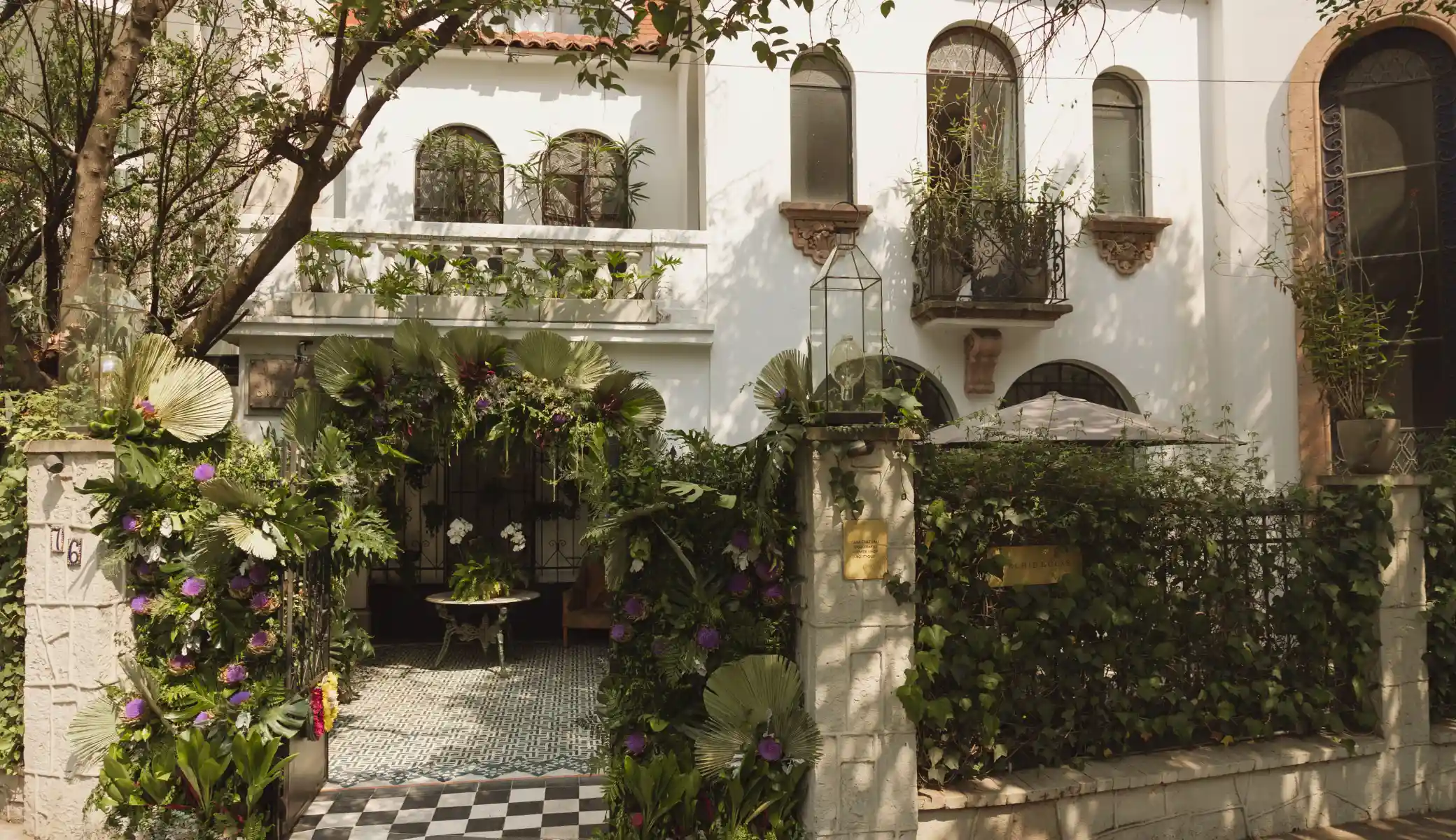
Orchid House Mexico City sits on Campos Elíseos, between Chapultepec and Masaryk. The metro is around the corner. From the airport, the house is 40 to 60 minutes by car, depending on traffic. The house plans tours of the city on request: tell the front desk what you want to see, and it handles the rest, table included.
Back to the JournalYou might also like
 Orchid House Mexico City